Detroit: vehicle engineering and the supplier tiers around it
Southeast Michigan remains the engineering centre of the North American vehicle industry even as assembly has spread across the continent. Product development, testing, powertrain and vehicle engineering, stamping, tooling and a deep tier supplier base all concentrate here, and decisions taken in the region shape plants far away. The current reorganisation around electrified powertrains is being managed from the same place that built the combustion one.
- Hub type
- industrial city
- Country
- United States
- Location
- Detroit sits in southeastern Michigan on the river separating the United States from Ontario, with the automotive supplier base spread through the surrounding counties.
- Logistics connections
- road and rail border crossings into Canada, rail freight network serving assembly plants and parts terminals, international airport with cargo handling, Great Lakes and river terminals for bulk cargo, interstate highway corridors to the south and east
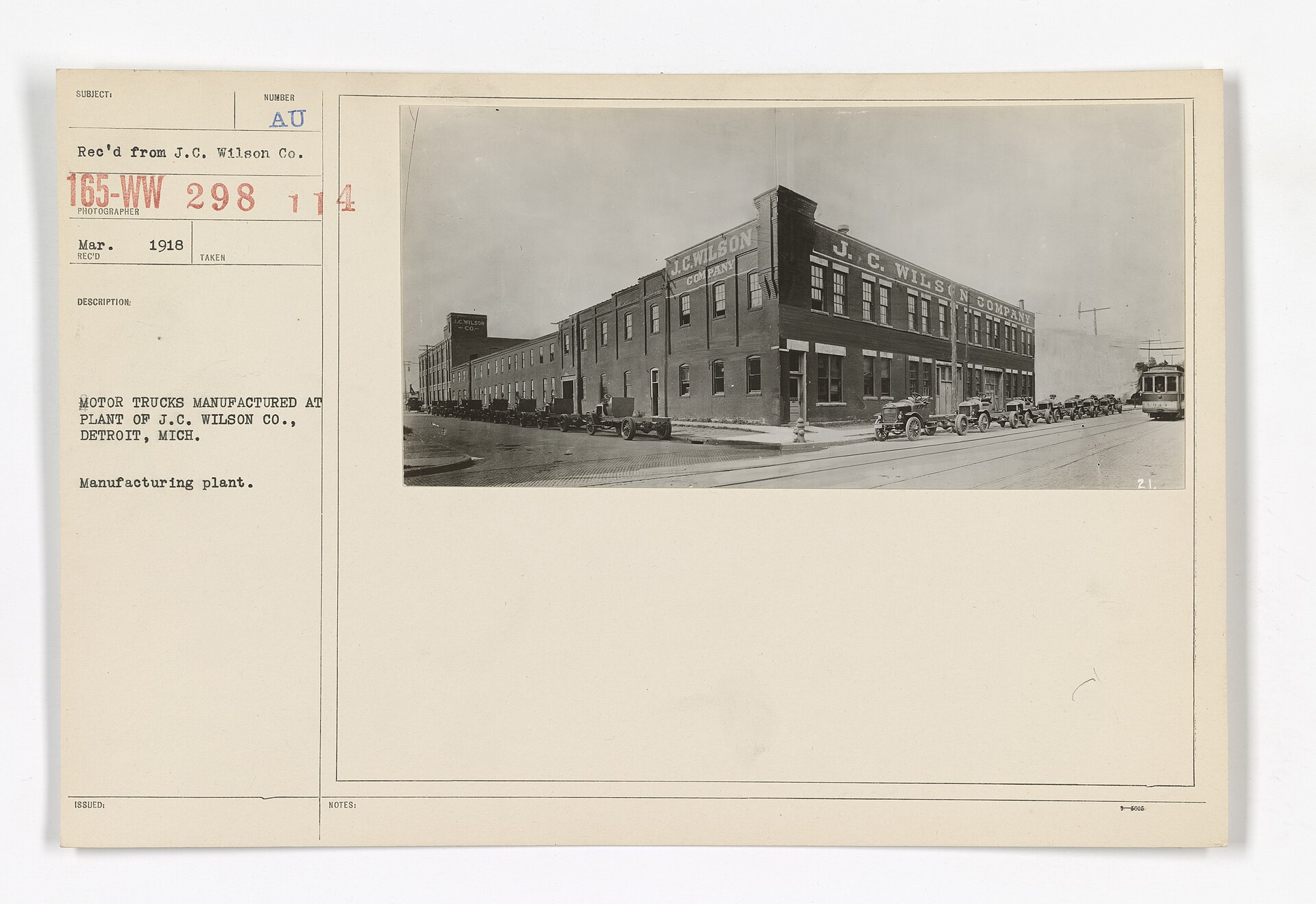
Why engineering stayed when assembly spread
Vehicle assembly moved south and into Mexico over decades, chasing labour cost and land, but engineering did not follow it. Product development, validation, testing facilities, powertrain work and the technical staff of the vehicle makers and their systems suppliers remained concentrated in the same counties. The reason is the labour market: experienced vehicle engineers are gathered here in numbers a relocating firm cannot easily reassemble elsewhere. That concentration also means supplier engineering offices cluster nearby regardless of where their plants are, purely to sit close to customer development teams.
The supplier tiers and what they can do
The regional supply base spans everything from systems suppliers with their own development capability down to stamping shops, machine shops, mould makers and specialist finishers. Automotive quality practice is the default here, so part approval procedures, process capability studies, control plans and IATF 16949 registration are ordinary rather than exceptional, which makes the base useful to buyers outside vehicles who need that discipline. Tool and die capability is a particular regional specialism with a long history and a shrinking practitioner population. Buyers should note that many suppliers are structured around programme economics, quoting on lifetime volume rather than on individual orders.
Electrification and the reshaping of the base
Battery cell and pack production, electric drive units and power electronics have drawn substantial investment into the wider region, and the state has treated attracting it as policy. For the existing supplier base the transition is uneven: firms making engine and transmission components face declining demand while those in structures, thermal systems, electronics and assembly equipment see growth. Workforce implications follow the same split, since cell manufacturing is a chemical process operation rather than a metalworking one and draws on different skills. A buyer evaluating suppliers here should look at product exposure and at what retooling has actually been funded.
A border that functions as an internal supply line
Parts cross into Ontario and back repeatedly during production, and these crossings handle a large volume of the freight moving between the two countries. That makes border throughput a production variable rather than a logistics detail, because assembly schedules assume predictable crossing times and disruption propagates into plants within hours where inventories are deliberately thin. Trade rules governing regional content also shape sourcing decisions directly, since qualifying a part affects duty treatment for the whole vehicle. Manufacturers here plan around the border rather than treating it as an edge case, and new capacity is often sited with crossing capacity in mind.
Labour, land and what a new entrant should expect
Union representation is established at assembly plants and at many large suppliers, and pattern bargaining shapes labour cost across the sector, while smaller suppliers vary considerably. Skilled trades such as die makers, millwrights and controls technicians are scarce and ageing, which affects maintenance and tooling more than production staffing. Industrial land is available at costs far below coastal markets, including sizeable brownfield parcels with existing rail and power, though older sites carry environmental history. State and local incentive programmes are active and negotiable, and are tied to committed employment or investment rather than granted automatically, so advertised support should be confirmed against its conditions.
Industrial sectors present
- automotive
- automotive parts
- metal fabrication
- battery
- plastics
- machinery
- electrical equipment
Frequently asked questions
- Why do suppliers keep engineering offices in this region even when their plants are elsewhere?
- Because vehicle programmes are developed collaboratively and physical proximity to the engineering teams of the customer still governs how quickly issues get resolved. Design reviews, build events, validation testing and problem-solving all happen where the development staff sit, and a supplier without local engineering presence is slower to respond and less visible during sourcing decisions. The plants can be anywhere the economics favour; the engineering relationship is regional.
- What does the transition to electric powertrains mean for local suppliers?
- A division rather than a uniform decline. Firms tied to engines, transmissions, fuel and exhaust systems face shrinking demand over time, while suppliers of structures, thermal management, electronics, connectors and assembly equipment are positioned to grow. Cell and pack manufacturing uses process skills closer to chemicals than to metalworking, so it draws on a different labour pool. Buyers assessing continuity should ask about product mix, funded retooling and customer programme awards rather than about current financial results.
- How exposed is production here to border conditions?
- Directly, because components move between Michigan and Ontario several times before a vehicle is finished and plants hold little buffer stock. Delays at the crossings translate into line stoppages faster than most supply chains would tolerate, which is why carriers, customs brokers and plant schedulers treat crossing time as a planned variable. Regional content rules add a second dimension, since where a part is made affects the duty treatment of the finished vehicle.
Data limitations
- Manufacturing figures are operator-supplied inputs, not market data. GeoBusinessIQ holds no factory costs, production volumes, yields, cycle times, tooling prices or capacity data and does not estimate them — every result reflects only the figures you enter.
- No manufacturer, supplier, vendor or factory is recommended, rated or ranked anywhere in this cluster, and no directory of them is published. Selection material describes how to run your own assessment; the assessment itself remains yours.
Explore the graph
Industries present
- Agricultural machinery manufacturing: building all year for a season that will not wait
- Automotive parts: a catalogue business that happens to own machines
- Battery production: choosing which link of the chain to occupy
- Cell lines: coating quality propagates into everything downstream
- Electrical equipment makers: wound products, type tests and efficiency rules that rewrite catalogues
- Machinery manufacturing: selling a promise, then financing it through milestones
Sources
- Michigan Economic Development Corporation — MEDC (accessed )Covers: Michigan's economic development organisation, covering the state's industrial sectors and sites.Does not cover: Site costs, incentive decisions, or company-level data.Why it matters: Cited on the Detroit hub page for regional industrial composition.Review cadence: annual
- United States Census Bureau — US Census Bureau (accessed )Covers: Official United States economic statistics including manufacturing surveys and industry classification.Does not cover: Forecasts, plant-level data, or company identification.Why it matters: Cited as the official statistical authority for structural statements about United States manufacturing.Review cadence: annual
- United Nations Industrial Development Organization — UNIDO (accessed )Covers: Industrial development analysis, industrial statistics methodology, and manufacturing capability programmes across member states.Does not cover: Company-level data, factory costs, supplier information, or real-time production statistics.Why it matters: The United Nations agency for industrial development; used for structural framing of how manufacturing sectors develop, never for point figures.Review cadence: annual
Educational and operational information only. This page describes an industrial location qualitatively; it publishes no output, employment, plant-count or ranking figures, names no individual manufacturer as a recommendation, and is not investment, siting, legal, or tax advice.
Last updated: